

From Cohort to Career: Student leaders strengthen MEPN experience
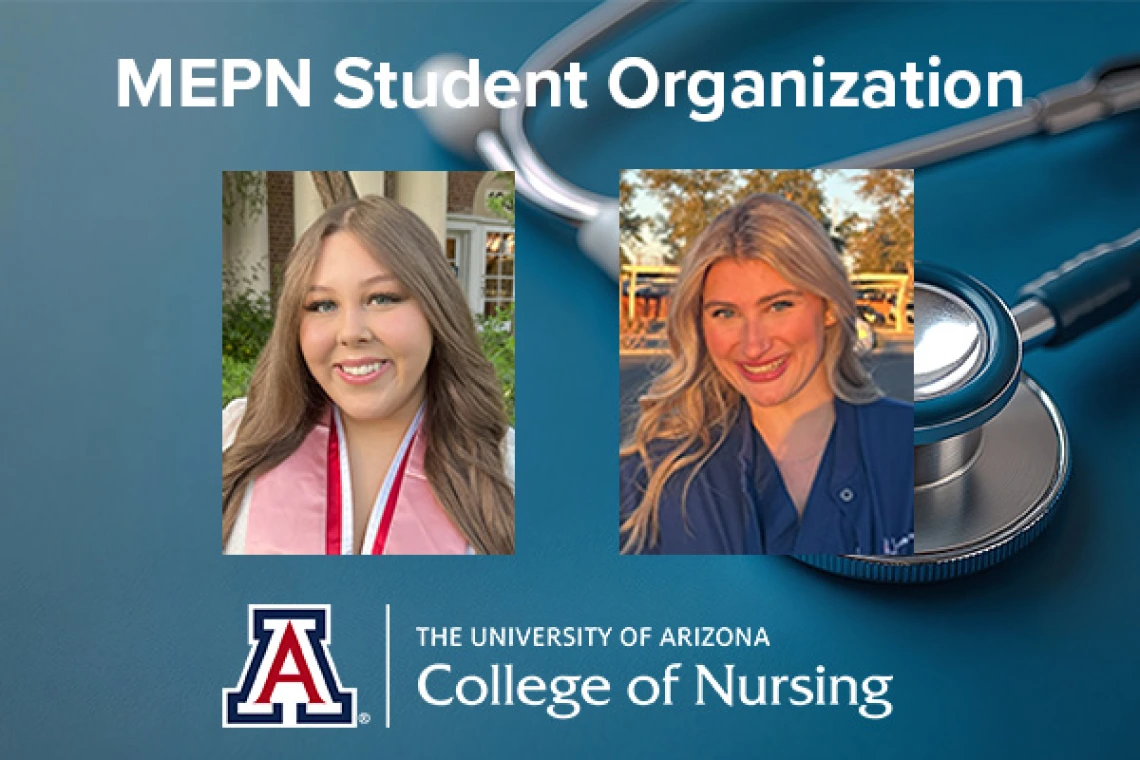
The University of Arizona College of Nursing’s Master of Science, Entry to the Profession of Nursing (MEPN) program requires students to adapt quickly while managing challenging academic and clinical expectations. In this environment, the MEPN Student Organization (MSO) acts as a key source of connection, support, and practical preparation for transitioning into professional nursing.
The organization is led by MSO Presidents Hannah Juarez and Allison Colvard, who are in their final year of the MEPN program, and are focused on helping classmates navigate the program and prepare for life after graduation.
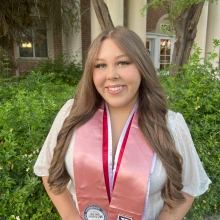
MEPN student Hannah Juarez
Both Juarez and Colvard stepped into leadership roles driven by a shared commitment to student well-being and peer connection. Juarez said, “I was motivated to take on a leadership role because I wanted to strengthen the sense of community within our MEPN cohort and ensure that students felt supported throughout the program.”
For Colvard, the position offered an opportunity to intentionally create spaces where students could feel understood, supported, and connected. “I care about helping people feel supported, especially in stressful academic settings,” Colvard said. “The MEPN program is intense, and I know how helpful it is to feel connected and understood, so I wanted to help create that for others.”
As the cohort reaches its final stage and prepares for graduation, MSO has focused its efforts on supporting students through the transition from coursework to professional nursing practice. The organization has emphasized wellness during this phase while also providing opportunities that help students develop confidence and prepare for careers.
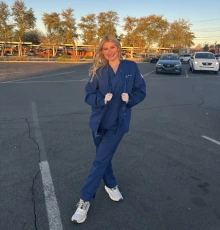
MEPN student Allison Colvard
Through efforts such as partnering with local hospitals, participating in philanthropic activities, and collaborating with faculty and the advisory council, MSO aims to ensure that students feel supported, recognized, and prepared as they begin their roles as new graduate nurses.
“Leadership within student organizations enriches our programs in ways that extend far beyond the classroom,” said Brian Ahn, PhD, dean of the College of Nursing. “Organizations like MSO create essential spaces for connection and professional growth, and I am continually impressed by how our students support one another throughout such a demanding program.”
“As the faculty advisor, I’ve seen firsthand how involvement in our entry-level student organization strengthens students’ leadership skills, deepens their commitment to community service, and builds genuine teamwork and camaraderie among future colleagues,” said Angie Norton, PhD, MSN/Ed, RN.
One of MSO’s most impactful initiatives has focused on creating shared experiences that strengthen peer relationships during students’ final months in the program. The organization partnered with Hospice of the Valley for a community baking event, coordinated volunteer opportunities at a local clinic to promote hands-on learning, and hosted career panels featuring nurses in specialties such as CRNA and aesthetics. Juarez noted, “Our recent projects have centered on strengthening connections, building confidence, and creating meaningful experiences during our final months in the MEPN program.”
Alongside career programming, MSO also prioritized offering free professional headshots to the entire cohort, aiming to remove barriers as students prepare for job searches and nurse residency applications. “We wanted to make sure every student had access to a polished photo without added stress or cost,” Colvard said.
The MEPN program quickly brings students together, while also presenting significant academic and personal challenges. MSO helps reduce these pressures by encouraging study partnerships, sharing educational resources, and creating informal spaces where students can openly share their experiences and concerns.
“We want students to realize they are not navigating this program alone,” Colvard said. “Creating space for connection and open conversation can truly make a difference during an intense semester.”
Both Juarez and Colvard say their leadership roles have been crucial in developing confidence and practical skills that go beyond the classroom. “Participating in the organization has strengthened my leadership skills by giving me opportunities to coordinate events, advocate for student needs, and collaborate closely with faculty and peers,” Juarez said.
Colvard also credits the experience with sharpening her organizational and communication skills by leading a highly collaborative team. “Leading a team that collaborates so well has helped me grow more confident and organized,” she said.
Beyond individual growth, both leaders are purposeful about the legacy they want to leave for future MEPN students. Juarez shared, “I hope my leadership helps current and future students feel supported, connected, and confident as they navigate the program.” Colvard added, “I want students to feel empowered to contribute, take initiative, and support one another.”
Outside their MSO roles, Juarez and Colvard demonstrate a strong sense of purpose in their professional ambitions. Juarez has accepted a position with the Mayo Clinic Nurse Residency Program and plans to focus on women’s health before pursuing advanced practice training.
Colvard is passionate about rural medicine and plans to earn her Doctor of Nursing Practice (DNP) degree to better serve underserved populations. She also represents the College of Nursing on the Graduate and Professional Student Council, where she advocates for resources, funding, and wellness support, while helping to improve communication between nursing students and the broader graduate community.
Through advocacy, collaboration, and a strong commitment to their peers, Juarez and Colvard have helped guide their cohort through the crucial transition from student to professional nurse. Their leadership has strengthened connections, reduced barriers during a pivotal stage of the MEPN program, and helped create an environment that prepares students not just to succeed in practice but to support those who come after. In doing so, they are setting a standard of leadership, resilience, and care that will influence future MEPN cohorts and the nursing profession.The University of Arizona College of Nursing’s Master of Science, Entry to the Profession of Nursing (MEPN) program requires students to adapt quickly while managing challenging academic and clinical expectations. In this environment, the MEPN Student Organization (MSO) acts as a key source of connection, support, and practical preparation for transitioning into professional nursing.
The organization is led by MSO Presidents Hannah Juarez and Allison Colvard, who are in their final year of the MEPN program, and are focused on helping classmates navigate the program and prepare for life after graduation.
Both Juarez and Colvard stepped into leadership roles driven by a shared commitment to student well-being and peer connection. Juarez said, “I was motivated to take on a leadership role because I wanted to strengthen the sense of community within our MEPN cohort and ensure that students felt supported throughout the program.”
For Colvard, the position offered an opportunity to intentionally create spaces where students could feel understood, supported, and connected. “I care about helping people feel supported, especially in stressful academic settings,” Colvard said. “The MEPN program is intense, and I know how helpful it is to feel connected and understood, so I wanted to help create that for others.”
As the cohort reaches its final stage and prepares for graduation, MSO has focused its efforts on supporting students through the transition from coursework to professional nursing practice. The organization has emphasized wellness during this phase while also providing opportunities that help students develop confidence and prepare for careers.
Through efforts such as partnering with local hospitals, participating in philanthropic activities, and collaborating with faculty and the advisory council, MSO aims to ensure that students feel supported, recognized, and prepared as they begin their roles as new graduate nurses.
“Leadership within student organizations enriches our programs in ways that extend far beyond the classroom,” said Brian Ahn, PhD, dean of the College of Nursing. “Organizations like MSO create essential spaces for connection and professional growth, and I am continually impressed by how our students support one another throughout such a demanding program.”
“As the faculty advisor, I’ve seen firsthand how involvement in our entry-level student organization strengthens students’ leadership skills, deepens their commitment to community service, and builds genuine teamwork and camaraderie among future colleagues,” Angie Norton, PhD, MSN/Ed, RN.
One of MSO’s most impactful initiatives has focused on creating shared experiences that strengthen peer relationships during students’ final months in the program. The organization partnered with Hospice of the Valley for a community baking event, coordinated volunteer opportunities at a local clinic to promote hands-on learning, and hosted career panels featuring nurses in specialties such as CRNA and aesthetics. Juarez noted, “Our recent projects have centered on strengthening connections, building confidence, and creating meaningful experiences during our final months in the MEPN program.”
Alongside career programming, MSO also prioritized offering free professional headshots to the entire cohort, aiming to remove barriers as students prepare for job searches and nurse residency applications. “We wanted to make sure every student had access to a polished photo without added stress or cost,” Colvard said.
The MEPN program quickly brings students together, while also presenting significant academic and personal challenges. MSO helps reduce these pressures by encouraging study partnerships, sharing educational resources, and creating informal spaces where students can openly share their experiences and concerns.
“We want students to realize they are not navigating this program alone,” Colvard said. “Creating space for connection and open conversation can truly make a difference during an intense semester.”
Both Juarez and Colvard say their leadership roles have been crucial in developing confidence and practical skills that go beyond the classroom. “Participating in the organization has strengthened my leadership skills by giving me opportunities to coordinate events, advocate for student needs, and collaborate closely with faculty and peers,” Juarez said.
Colvard also credits the experience with sharpening her organizational and communication skills by leading a highly collaborative team. “Leading a team that collaborates so well has helped me grow more confident and organized,” she said.
Beyond individual growth, both leaders are purposeful about the legacy they want to leave for future MEPN students. Juarez shared, “I hope my leadership helps current and future students feel supported, connected, and confident as they navigate the program.” Colvard added, “I want students to feel empowered to contribute, take initiative, and support one another.”
Outside their MSO roles, Juarez and Colvard demonstrate a strong sense of purpose in their professional ambitions. Juarez has accepted a position with the Mayo Clinic Nurse Residency Program and plans to focus on women’s health before pursuing advanced practice training.
Colvard is passionate about rural medicine and plans to earn her Doctor of Nursing Practice (DNP) degree to better serve underserved populations. She also represents the College of Nursing on the Graduate and Professional Student Council, where she advocates for resources, funding, and wellness support, while helping to improve communication between nursing students and the broader graduate community.
Through advocacy, collaboration, and a strong commitment to their peers, Juarez and Colvard have helped guide their cohort through the crucial transition from student to professional nurse. Their leadership has strengthened connections, reduced barriers during a pivotal stage of the MEPN program, and helped create an environment that prepares students not just to succeed in practice but to support those who come after. In doing so, they are setting a standard of leadership, resilience, and care that will influence future MEPN cohorts and the nursing profession.