

Systems and Models of Care
Systems and models of care studies factors for modifying complex systems (e.g., health care settings, populations). The intentions are to achieve higher quality (safer) care, better patient experiences and population health outcomes at less cost, and improved healthcare provider work life. Research in systems and models of care addresses the multi-level mechanisms that influence the delivery of health care.
Within systems and models of care, our faculty are harnessing the development and use of technology for improving health and healthcare. They are engaged in creating patient monitoring systems to enhance care team communication and advance provider care delivery for the early identification and treatment of disease and prevention of adverse events, digital health programs for improving health behaviors that will prevent cancer and chronic health conditions, and systems-based solutions focused on improving the health and well-being of the nursing workforce.
Faculty
Terry A Badger
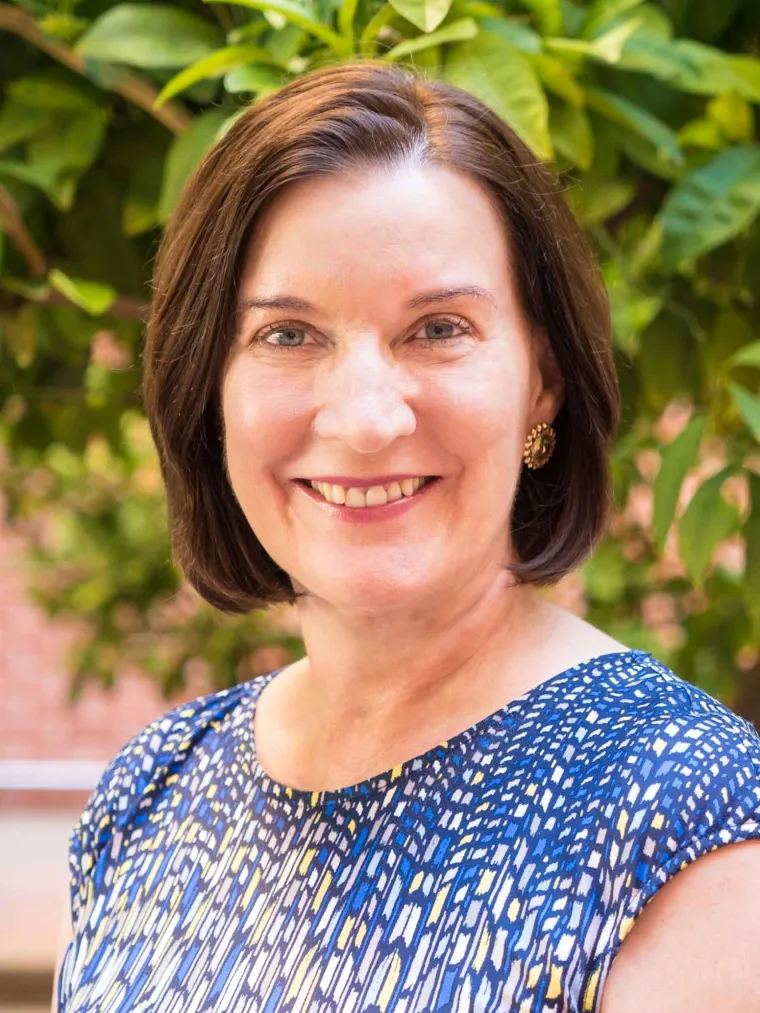
Dr. Terry Badger's research focuses on symptom management, including reducing psychological distress, for cancer survivors and their caregivers. Her contributions to science include documenting the effectiveness of telephone delivered psychosocial interventions in improving symptom management and quality of life. Her second contribution has been the investigation of telephone delivered psychosocial interventions that reduce health disparities for English-speaking and Spanish-speaking cancer survivors and their caregivers. Lastly, Dr. Badger dyadic analytic methods to document the critical influence of members of the survivors' social networks or caregivers have on cancer recovery. Dr. Badger currently has NIH funded R01s as well as CHERC funding from the American Cancer Society.
Additional Links: Publications on My NCBI
Degrees
- Ph.D. Nursing, University of Texas, 1986
- M.S. Nursing, Arizona State University, 1979
- B.S.N. Nursing, Arizona State University, 1975
Research Interests
cancer survivors; caregivers; symptom management; psychological distress
Sheila M Gephart
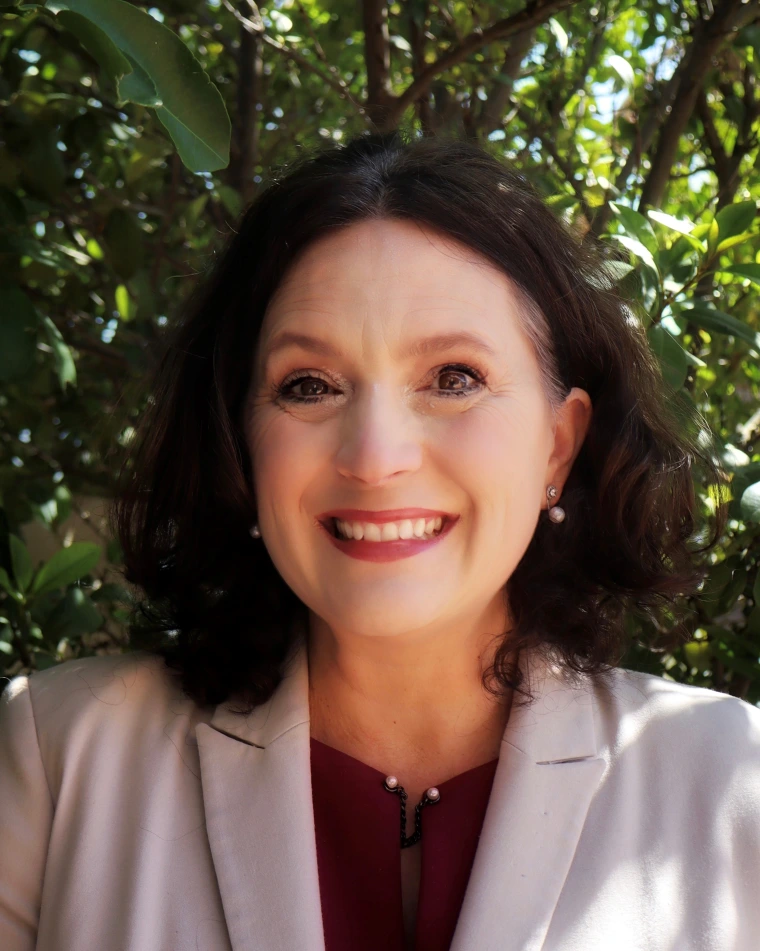
Dr. Sheila Gephart, PhD, RN, FWAN, FAAN is a Nurse Scientist with expertise in informatics, necrotizing enterocolitis (NEC), and implementation science. Her work started in the NICU when she was working at the bedside as a nurse and was troubled by the sudden development of NEC in a cluster of preterm infants. She developed and has refined a tool for NEC risk recognition called GutCheckNEC. She has worked with parent and clinical stakeholders to create a toolkit called "NEC-Zero." She has also worked in informatics, focused on clinical decision support, predictive modeling, and technology burden. She is currently refining GutCheckNEC and using telehealth delivered mentoring (Project ECHO) to improve adoption of NEC prevention practices in the U.S. She enjoys working students across all levels, mentoring junior colleagues and service-leading across the university.
Degrees
- Ph.D. in Nursing Nursing, The University of Arizona, 2012
- B.S. Nursing, Oregon Health Sciences University, 1998
Research Interests
necrotizing enterocolitis; informatics; neonatal intensive care; patient safety
Jessica Rainbow

Dr. Jessica Rainbow, PhD, RN, CNE's research focuses on developing, adapting, and implementing work system interventions and policies that improve hospital nurses' health and safety. She studies nursing workforce health with an emphasis on burnout, presenteeism, mental health, and pregnancy and postpartum health. She currently leads two funded lines of research. First, as Co-PI of a five-year NINR-funded R01 testing a human factors-informed, user-centered process intervention that engages nurses in redesigning their unit work systems to reduce burnout. This trial aims to generate a scalable, system-level approach that shifts the burden of addressing burnout away from individual nurses and toward organizational change. Second, she leads a pilot-funded program examining occupational chemical exposures in lactating nurses, including levels of cleaning chemicals and PFAS in breastmilk. Her research portfolio extends on nurse mental health and pregnancy health. In addition to her scholarship, Dr. Rainbow is award-winning mentor who is passionate about supporting and collaborating with PhD students. Across her work, she aims to generate evidence that informs organizational policies and interventions that support nurses across the reproductive life course and strengthen the health, safety, and sustainability of the nursing workforce.
Additional Links: Publications on Google Scholar
Degrees
- Ph.D. Nursing, University of Wisconsin-Madison, 2018
- B.A. Spanish, University of Nevada, Reno, 2012
- B.S.N. Nursing, University of Nevada, Reno, 2012
Research Interests
Nursing workforce; healthcare systems; occupational health & safety