

Population and
Community Health
outcomes.
Engaging and partnering with populations and communities in a culturally appropriate manner to understand determinants of health and develop interventions to improve health outcomes. Population and community health refers to the overall health and the distribution of health outcomes within and across communities and populations. Research in population and community health outcomes addresses the social determinants of health and health disparities to achieve health.
Within population and community health, our researchers are addressing topics such as cancer survivorship, management of cardiovascular disease, diabetes, pain, substance use, and symptoms, and maternal-child health.
Faculty
Rachel H. Adler

Dr. Rachel Adler is a seasoned anthropologist and a psychiatric nurse practitioner with extensive experience conducting qualitative and mixed-methods research with vulnerable populations. Her book, Yucatecans in Dallas, Texas: Breaching the Border, Bridging the Distance, is based on over two years of intensive, binational, ethnographic research with a community of Mexican migrants in Texas. In her more current work, she merges her social science expertise in culture, ethnicity, and gender with her extensive clinical knowledge of psychiatry and psycho-oncology. This combination of skills makes her uniquely prepared to conduct culturally relevant interventional research with cancer survivors in the University of Arizona Cancer Center's predominantly Hispanic catchment area. Rachel Adler became a nurse during her first sabbatical to broaden her skill set in medical anthropology and to become a more effective researcher with real-world impact. For more than a decade, Dr. Adler has integrated her nursing practice with her anthropological scholarship to advance translational science, serving as the site PI and co-investigator on several federal grants, allowing her to contribute to the literature on psychosocial oncology, psychiatry, men's mental health, research methods, and veterans' health.
Degrees
- M.S.N. Advanced Practice Nursing, The College of New Jersey, 2018
- B.S.N. Nursing, Drexel University, 2009
- Ph.D. Anthroplogy, Arizona State University, 2000
- M.A. Anthroplogy, Arizona State University, 1992
- B.S. Social Science Secondary Education, SUNY Oneonta
Licensure & Certification
- Psychiatric Mental Heatlh Nurse Practitioner, American Nurses Credentialing Center (2021)
- Adult Primary Care Nurse Practitioner, American Academy of Nurse Practitioners Certification Board (2019)
Research Interests
psychosocial oncology; mental health; behavioral interventions; integrative psychiatry
Terry A Badger
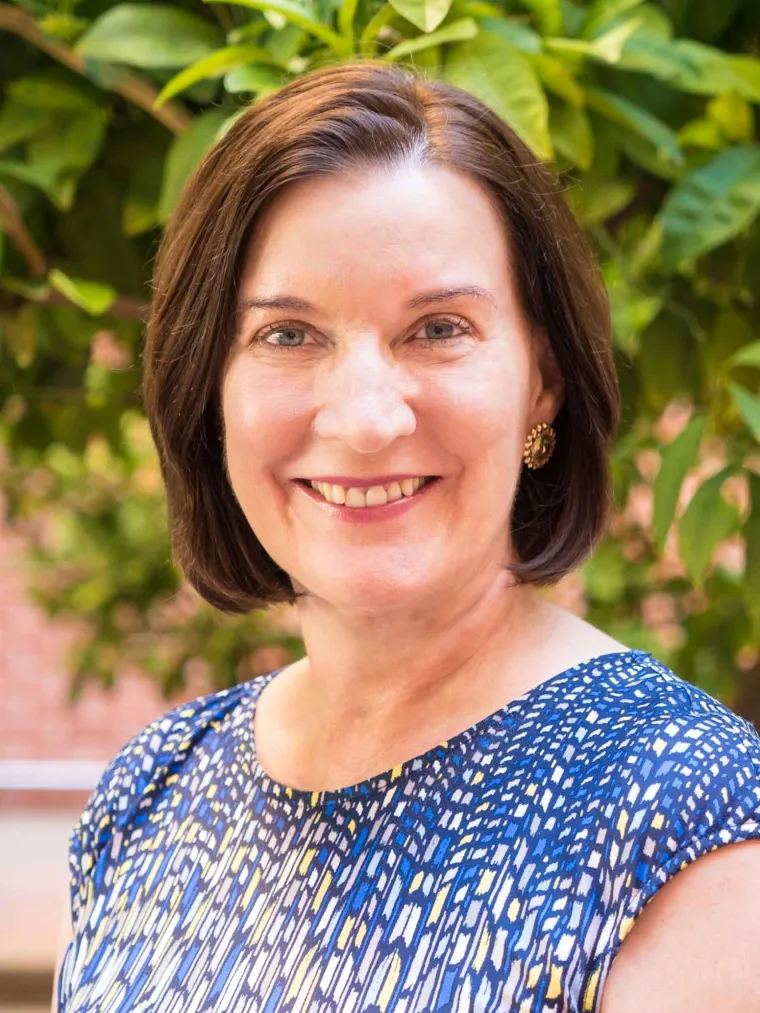
Dr. Terry Badger's research focuses on symptom management, including reducing psychological distress, for cancer survivors and their caregivers. Her contributions to science include documenting the effectiveness of telephone delivered psychosocial interventions in improving symptom management and quality of life. Her second contribution has been the investigation of telephone delivered psychosocial interventions that reduce health disparities for English-speaking and Spanish-speaking cancer survivors and their caregivers. Lastly, Dr. Badger dyadic analytic methods to document the critical influence of members of the survivors' social networks or caregivers have on cancer recovery. Dr. Badger currently has NIH funded R01s as well as CHERC funding from the American Cancer Society.
Additional Links: Publications on My NCBI
Degrees
- Ph.D. Nursing, University of Texas, 1986
- M.S. Nursing, Arizona State University, 1979
- B.S.N. Nursing, Arizona State University, 1975
Research Interests
cancer survivors; caregivers; symptom management; psychological distress
Aleeca Bell
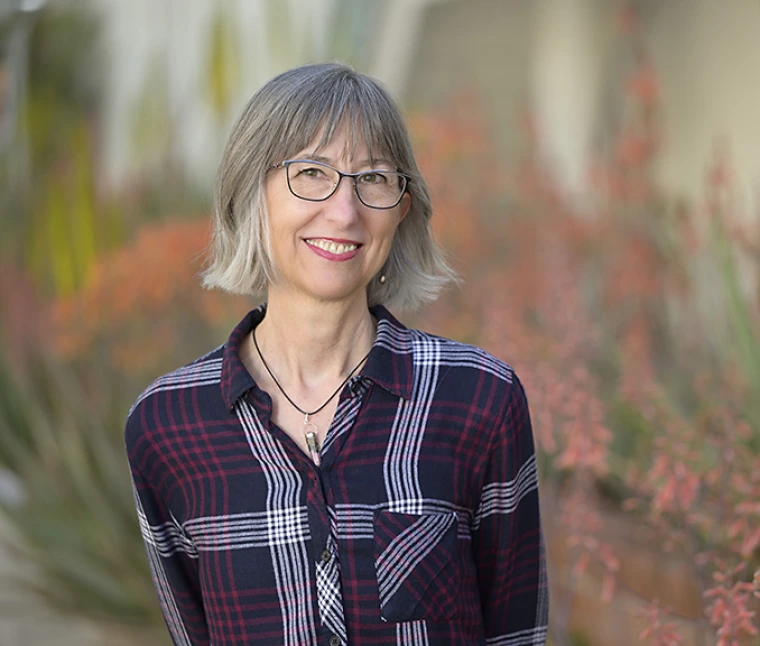
Dr. Aleeca Bell's program of research, developed from her 27 years as a Certified Nurse Midwife, focuses on women and infant perinatal outcomes, and the underlying oxytocin system. Her predoc and postdoc funding investigated epidural anesthesia and synthetic oxytocin relating to cortisol and immediate newborn behaviors. Subsequent private foundation and NIH KL2 funding added to an established, longitudinal, British dataset revealing: a genetic-epigenetic susceptibility in the oxytocin receptor gene (OXTR) to postpartum depression; and a positive birth experience supports maternal mental health and caregiving. Pilot work led to an NIH-funded R01 award (2020-2025) conducted as PI at UA. By targeting women with a history of childhood adversity (expecting their first child), the RCT determined 1) the efficacy of Massage+, a behavioral infant massage, on improving the quality of mother-infant synchrony; and 2) the role of the oxytocin system underlying the efficacy of Massage+ and mother-infant synchrony, respectively. A unique contribution to the literature will be characteristics of the oxytocin system across pregnancy and postpartum including data on infant oxytocin, and maternal OXTR DNA methylation, gene expression, and genotype, and a potential oxytocin biomarker. This perinatal dataset with multiple birth and psycho-social measures is available to students.
Degrees
- Ph.D. in Nursing, University of Illinois at Chicago, 2009
- M.S. Nurse-Midwifery, University of Illinois at Chicago, 1998
- A.A.S. Nursing, Prairie State College, 1996
- B.A. Board of Governors, Governors State University, 1996
Research Interests
oxytocin; perinatal; mother-infant synchrony
Chen X. Chen
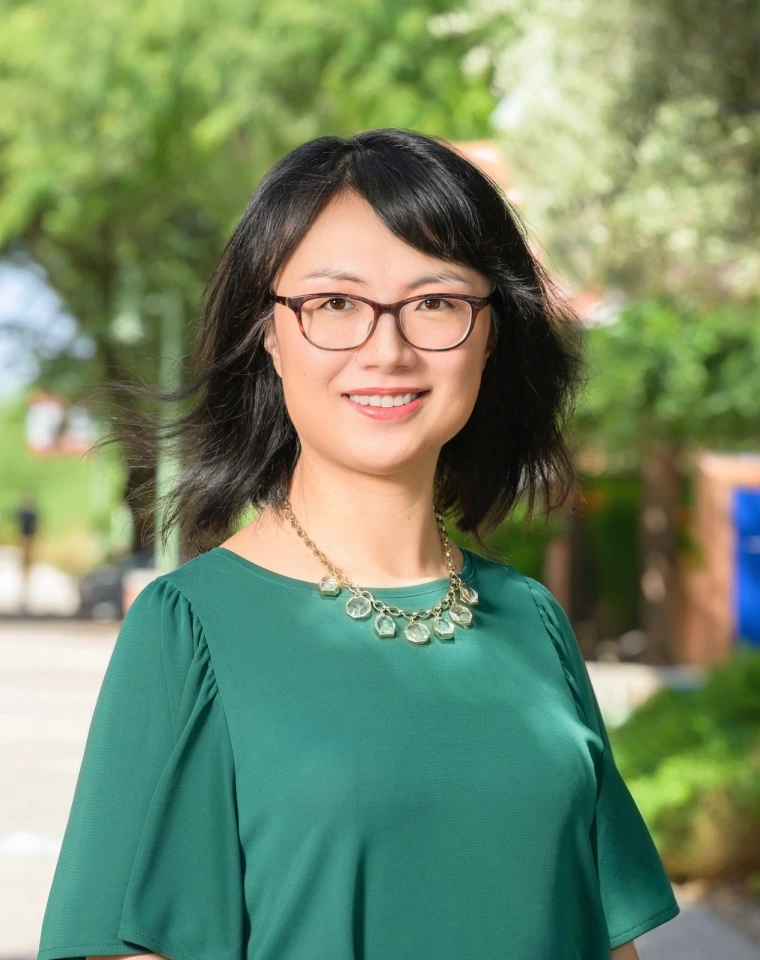
Dr. Chen X. Chen is the Sorensen Endowed Professor at the College of Nursing, with a joint appointment in the College of Engineering. Her research integrates pain management, women's health, and biobehavioral science, with a focus on dysmenorrhea-menstrual pain. She aims to improve its measurement, uncover underlying mechanisms, and enhance clinical care. Her work has been supported by several NIH institutes, including the National Institute of Nursing Research, the National Center for Advancing Translational Sciences, and NICHD. She currently leads a $2.9 million NICHD-funded R01 project investigating the vaginal microbiome's role in dysmenorrhea. Dr. Chen has over 40 peer-reviewed publications, cited in more than 50 countries, and featured in popular media. A dedicated mentor, she supports early-stage investigators across disciplines and has been recognized with the Indiana University Trustees Teaching Award. She serves on committees for the U.S. Association for the Study of Pain and the Council for Advancement of Nursing Science, and reviews grants for NIH and the VA. As Co-Director of the UA Center for Health and Technology (CHaT), she leads interdisciplinary research and educational initiatives bridging healthcare and technology. Dr. Chen is a Fellow of the American Academy of Nursing and a Mayday Fellow.
Additional Links: Publications on Google Scholar
Degrees
- Ph.D. , University of Wisconsin-Madison, 2015
- M.S.N. , University of Wisconsin-Madison, 2012
- M.B.B.S. , Tongji Medical College, 2009
Teaching Interests
pain; women's health; psychometrics; biobehavioral research
Ashley Anne Lowe

Dr. Ashley A. Lowe is an Assistant Professor and Community-Engaged Translational Scientist at the University of Arizona College of Nursing Since 2024. Her research focuses on the implementation and evaluation of evidence-based interventions, with a particular emphasis on pediatric asthma management and school-based health systems. As the Program Director of the Stock Inhaler for Schools Program, she leads a statewide initiative that ensures access to rescue medications for over 850 schools across Arizona. This program, the longest consecutively funded school-based research initiative in the United States, serves as a model for translating evidence-based practices into real-world settings. Over the past eight years, she has trained thousands of school nurses and staff in medication administration and intervention strategies, significantly improving asthma management and health outcomes in schools. Her expertise in implementation science and dissemination (D&I) methods drives her work in advancing scalable and sustainable health interventions. Her publication record in peer-reviewed journals highlights her contributions to the field, and she actively mentors graduate students across public health, medicine, and nursing disciplines. An active member of the American Thoracic Society, she collaborates with local, state, and national organizations to drive impactful, community-focused research initiatives.
Degrees
- Ph.D. Health Behavior, Unive, 2021
- M.S. Health Behavior, Unive, 2018
Research Interests
implementation science; pediatric asthma; school-based interventions; community-engaged research
Beth Meyerson

PO Box 210203
Building: NURSING (#00203)
Room #: 327
Dr. Beth Meyerson is the Beverly Benson McCord Endowed Chair of Nursing, a Professor of Nursing and of Family and Community Medicine, and the Policy Director for the Comprehensive Center for Pain and Addiction at the University of Arizona. Dr. Meyerson also directs the Harm Reduction Research Lab with a national, transdisciplinary faculty from 9 universities. Meyerson's research is focused on the reduction of opioid overdose death and bloodborne illness and infection through policy and practice innovations in medicine, pharmacy and nursing. As the Beverly Benson McCord Endowed Chair in Nursing, Dr. Meyerson also seeks to understand the unique needs of aging populations at the intersection of pain and opioid use disorder to improve patient screening, diagnosis and treatment. As experts in implementation science and community based participatory action research (CBPAR), Meyerson and her team partner with people who have lived/living drug use experience, with opioid use disorder treatment providers, funders and regulators through the Drug Policy Research and Advocacy Board. Meyerson's Current research focuses on aging and opioid use, opioid use disorder treatment.
Additional Links: Publications on Google Scholar
Research Interests
harm reduction; implementation science; community based participatory action research; aging and opioids
Ruth E. Taylor-Piliae
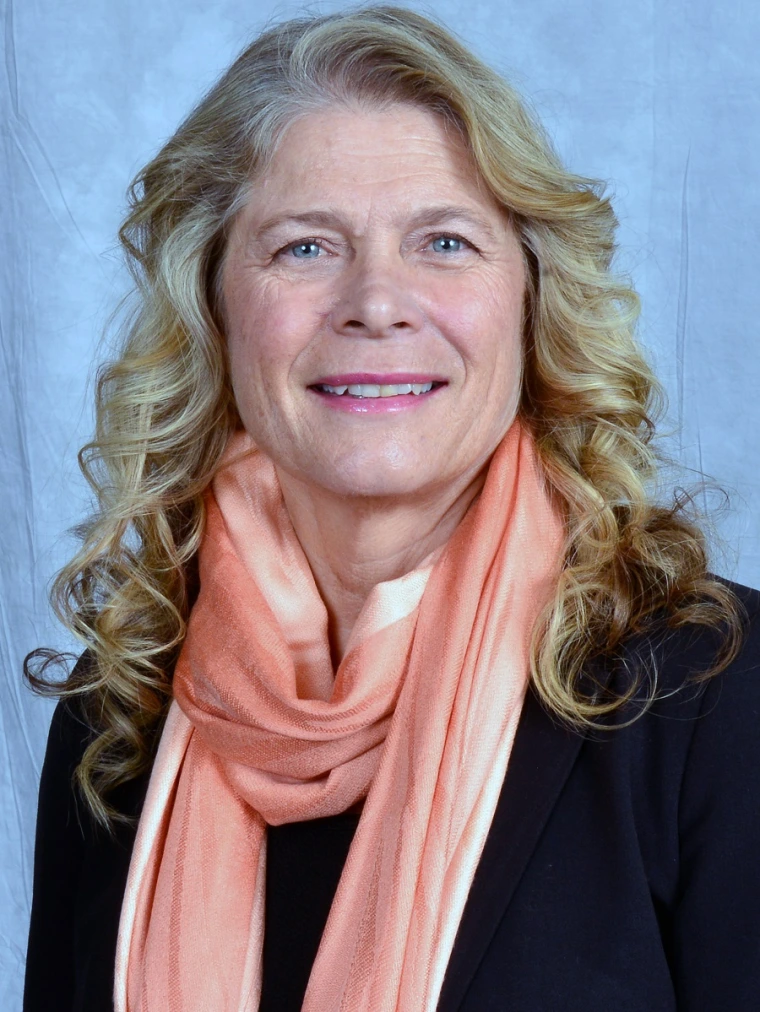
Dr. Ruth Taylor-Piliae, PhD, RN, FAHA, FAAN is recognized internationally as a nurse scientist and mind-body exercise interventionist, with training in cardiovascular epidemiology and clinical trials. Her research focuses on integrative physical activity interventions for older adults to advance cardiovascular health through Tai Chi and technology. Dr. Taylor-Piliae has been a Tai Chi practitioner for over 25 years, and is certified as a Tai Chi Easy™ Practice Leader from the Institute of Integral Qigong and Tai Chi. Her current Tai Chi research includes adults with diabetes, older adults with cognitive decline, caregivers of stroke survivors, and Mexican-American adults with hypertension. She uses wearable sensor technology, such as smart rings and smartwatches to assess 24-hour sleep, activity and stress levels. Dr. Taylor-Piliae has over 90 peer-reviewed manuscripts published in top-tiered nursing and inter-professional journals. She is highly cited for her work (citations>5900, h-index=39, i10-index=68). She has mentored over 60 doctoral students, along with junior faculty members from nursing, medicine, bio-medical engineering, and pharmacy. Dr. Taylor-Piliae is a long-standing member in the American Heart Association/American Stroke Association, European Society of Cardiology, Western Institute of Nursing, and the American Academy of Nursing. She has received several teaching, research and service awards.
Additional Links: Publications on Google Scholar
Degrees
- Ph.D. Nursing, University of California San Francisco, 2005
- M.S.N. Nursing, The Chinese University of Hong Kong, 1998
- B.S.N. Nursing, California State University, Fresno, 1980
Research Interests
cardiovascular disease; integrative health; physical activity; wearable sensors